Gwinnett County remains one of metro Atlanta's most dynamic housing markets, balancing strong neighborhood appeal with a diversity of home types and price points. Whether you are looking to buy your first home, move up to more space, or sell and capture current demand, understanding local patterns at the neighborhood level is the single best way to save time and money. This guide explains practical, search-friendly steps that buyers and sellers can use now and reference for years to come when making moves in Gwinnett County, GA.
Know the local lanes where deals form and shift. Cities like Lawrenceville, Suwanee, Buford, Sugar Hill, Dacula, and Snellville each have distinct buyer profiles, school draws, and commute patterns that affect value. Buyers often prioritize school zones and commute time to I-85 or GA 316, while sellers who highlight proximity to amenities such as Mall of Georgia or Lake Lanier can increase buyer interest. These location signals matter more than square footage in many transactions.
For buyers: begin with a focused search plan tied to real-world priorities. Get mortgage pre-approval to set realistic price bands, then map target neighborhoods by commute time, school ratings, and typical home age and style. Look for small, telltale advantages that translate to long-term value: convenient yards, flexible rooms for home office use, recent HVAC or roof replacements, and a layout that fits evolving household needs. When you find a property, compare recent sales within a 90-day window and within one mile to get credible comps.
For sellers: first impressions still drive offers. Invest selectively in cost-effective improvements that appeal to the largest pool of potential buyers in your price range. Paint in neutral tones, remove personal clutter, and ensure curb appeal is tidy—the first 15 seconds of a buyer's online impression often determine whether they schedule a tour. Professionally photographed listings with clear floor plans and a mix of daytime and evening shots perform better in search results and on social platforms.
Price to attract the right traffic. Overpricing can bury a home in search rankings and reduce showing activity, while strategic pricing that reflects both recent comps and current market sentiment generates competitive offers and minimizes days on market. Sellers should study active listings and pending sales in their immediate micro-market; buyers should watch how long similar homes linger as a signal of price flexibility.
Marketing today is both local and digital. Homes that pair a strong neighborhood story with high-quality digital assets get more views from out-of-area and relocating buyers. Use neighborhood descriptions that include nearby amenities, school names, commute times, and lifestyle features such as walking trails or community pools. Detailed listing metadata and accurate tags improve search engine visibility when buyers search for "Gwinnett County homes for sale" plus neighborhood names.
Make inspections and contingency decisions with clarity. Buyers should ask for itemized inspection reports and prioritize safety and major systems. Sellers should consider pre-inspections to reduce late surprises and to market the home with confidence. In competitive offers, clean inspection terms and reasonable earnest money signals can make an offer stand out while still protecting buyer rights.
Timing plays a role, but so does preparedness. Seasonal traffic may affect showings—spring often brings higher buyer interest, while late fall can have motivated buyers who need to move quickly. Regardless of season, the best outcomes come from being prepared: mortgage approvals in hand, realistic timelines, and clear priorities.
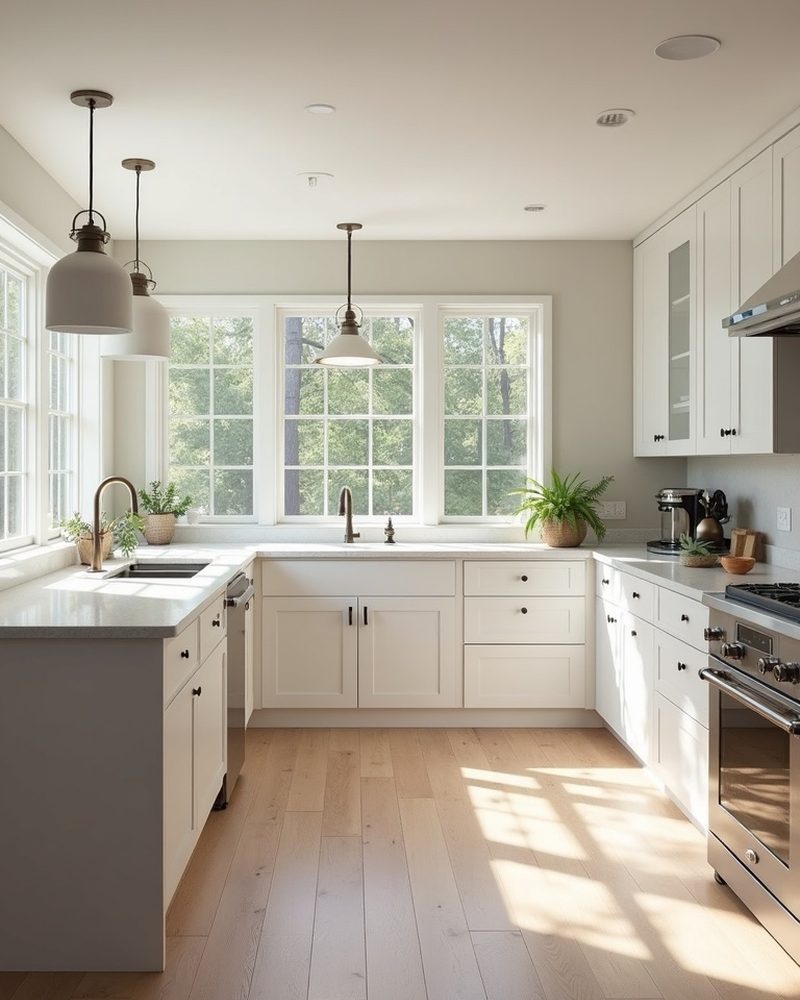
Cost-conscious improvements that pay back include landscaping refreshes, modern lighting, updated kitchen finishes at mid-range price points, and creating defined spaces for home work or schooling. Sellers who stage to show use and flow frequently achieve faster sales and higher sale prices. Buyers evaluating value should factor in near-term maintenance and potential remodeling costs when comparing homes.
Understand the role of local rules and fees. Many Gwinnett neighborhoods have HOAs with specific guidelines and dues; these affect both lifestyle and monthly cost. Property taxes and school assignments can change over time, so confirm current assessments and school boundary information during due diligence.
If you want an efficient, locally tailored plan for buying or selling in Gwinnett County, The Rains Team can help you prioritize opportunities, prepare properties for market, and negotiate from a position of knowledge. Call The Rains Team at 404-620-4571 or visit
www.homesforsaleingwinnett.com to explore neighborhood reports, current listings, and strategies that match your goals.
Real estate in Gwinnett County is about small decisions that add up to better outcomes. With focused research, a clear pricing approach, and effective marketing, buyers and sellers can both find opportunities and capture demand in this evolving market.
