The real estate landscape in Gwinnett County is constantly shifting, but certain local truths remain powerful for both buyers and sellers. Whether you are searching for homes for sale in Gwinnett County or preparing to list a property, understanding the local drivers that shape demand and value will help you make choices that matter today and remain useful for years to come.
Start with local market context. Inventory levels, interest rates, and buyer preferences influence price pressure and showings, but the factors that create lasting value in Gwinnett are neighborhood fundamentals, school boundaries, commute corridors, and nearby amenities. A smart plan balances short term timing with long term resale considerations.
Here are six practical insights to guide buyers and sellers in Gwinnett County.
1. Match priorities to neighborhood DNA. Gwinnett is diverse from Lawrenceville and Duluth to Suwanee, Sugar Hill, Buford, Norcross, and Snellville. Some buyers prize walkable downtowns, restaurants, and entertainment clusters; others want top-ranked schools, quiet cul de sacs, or quick interstate access (I 85, GA 316, I 985). Identify what matters most to you now and what will matter when you sell in five to ten years.
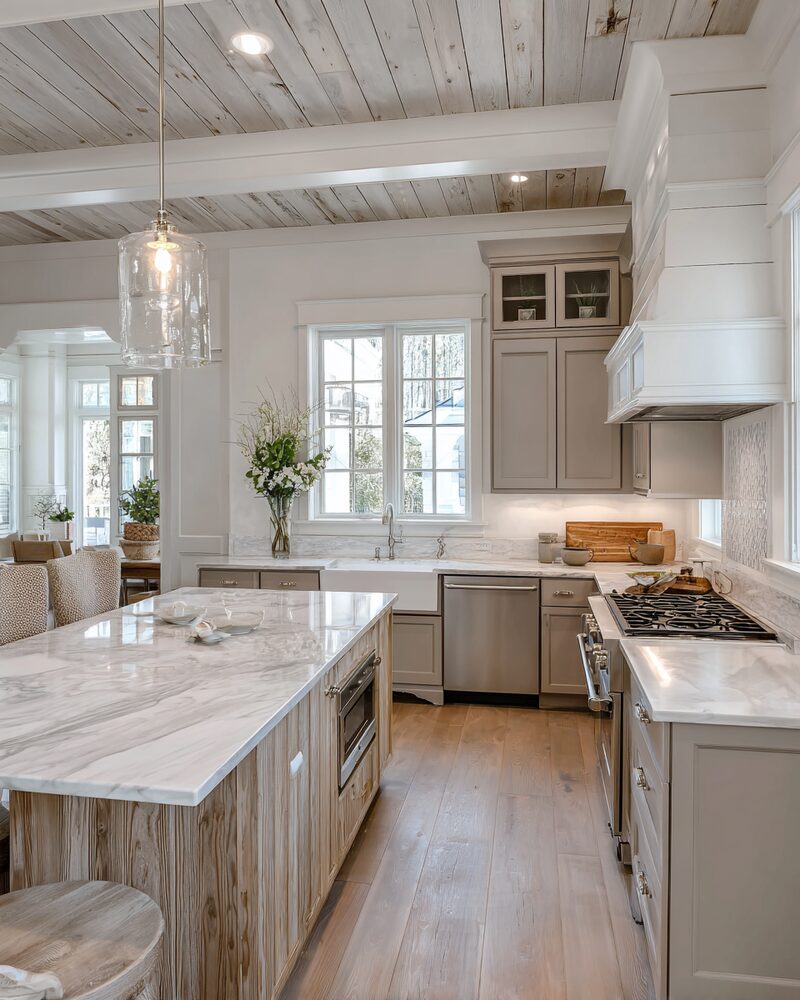
2. Micro upgrades still win attention. For sellers, targeted improvements deliver strong returns: fresh paint in neutral tones, updated lighting, curated staging, and polished curb appeal. For buyers, look for homes where cosmetic work will create equity without major systems work. Focus on kitchens, baths, and first impressions.
3. Use accurate comps and local timing rather than broad headlines. County level data can mask neighborhood differences. A home near a top elementary school or a growing business corridor may behave very differently than one only a few miles away. Request a neighborhood specific market analysis before pricing or committing to an offer.
4. Plan for contingencies and appraisal realities. Lenders still rely on appraisals tied to local comps. In competitive situations, buyers consider stronger earnest money, shorter inspection windows, or appraisal gap language to stay competitive. Sellers should understand how to evaluate offers beyond headline price: financing type, appraisal contingencies, closing flexibility, and buyer qualifications matter.
5. Factor in long term ownership costs. Property taxes, HOA fees, insurance (including flood zones near Lake Lanier and certain low lying areas), and expected maintenance should be part of your affordability calculation. Gwinnett has a range of lot sizes and home ages—older homes may have charm and location benefits but can require more maintenance.
6. Pay attention to local infrastructure and development. New commercial projects, school redistricting, road improvements, and transit expansions affect demand block by block. A nearby mixed use center or improved highway access can increase desirability; read council plans and school board updates when possible.
A short, practical checklist for buyers in Gwinnett County:
- Prioritize neighborhoods that match lifestyle and resale goals.
- Get pre approved and understand the type of financing that will be most competitive.
- Walk a few comparable homes at different times of day to assess traffic and noise.
- Budget for closing costs, prorated taxes, and immediate improvements you want to make.
A short, practical checklist for sellers in Gwinnett County:
- Secure a local comparative market analysis and set a realistic price that attracts showings.
- Invest in high ROI fixes: paint, staging, cleaned landscaping, and professional photos.
- Consider a pre listing inspection to reduce surprises and speed negotiation.
- Be clear about timelines and what you will accept for contingencies.
Because every Gwinnett neighborhood tells a different story, personalized local
