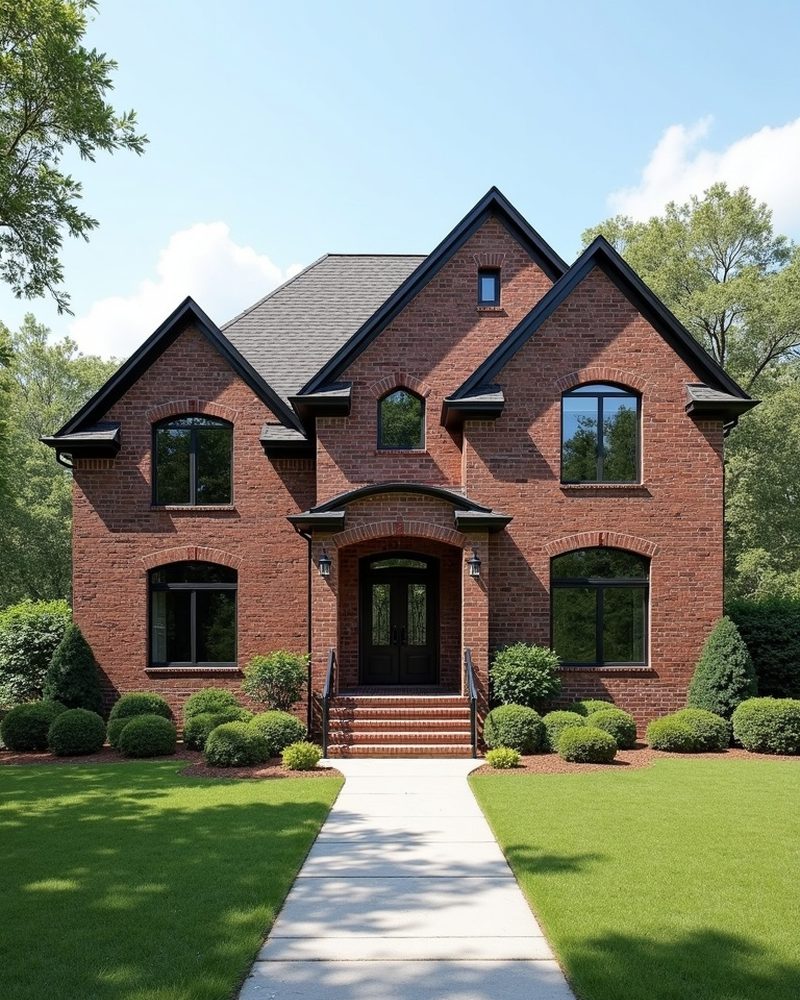
The Gwinnett County real estate market is a blend of long-term demand and shifting short-term conditions. Whether you are buying your first home, upsizing, downsizing, or selling an investment property, pairing local knowledge with reliable data will help you make choices that stand up over time. This guide highlights practical checks and tactics that are especially relevant for buyers and sellers in Lawrenceville, Suwanee, Duluth, Buford, Sugar Hill, Dacula, Snellville and the surrounding Gwinnett communities.
Start with the micro factors that matter most in Gwinnett County. Price per square foot and days on market give a quick read on activity, but real insight comes from comparing recent closed sales within a one-mile radius, looking at school zone boundaries, and tracking new residential or commercial projects coming to the area. A listing two streets over can perform very differently because of lot placement, backyard privacy, or proximity to a noisy corridor. Use local comps and on-the-ground observation together.
For buyers: prioritize three searches. First, neighborhood suitability based on lifestyle and commute patterns—know drive times to major employers, MARTA connections, and where future road or transit projects are planned. Second, long-term resale drivers such as school quality, HOA health, walkability to shopping and parks, and lot orientation. Third, inspection and maintenance history—older systems, roofs and foundations commonly drive negotiation and future cost estimates in Gwinnett homes. Ask for recent utility costs and any seller disclosures up front.
For sellers: focus on how buyers in Gwinnett are evaluating value today. Small upgrades that improve first impressions and photographic appeal often yield strong returns: fresh paint, curb landscaping, and decluttering to show usable living space. Price to the immediate micro-market with a competitive first-week strategy to capture buyer attention. If multiple offers arrive, consider terms beyond price—buyer financing, inspection timelines, and closing flexibility frequently decide winners in local transactions.
Monitor inventory cycles and seasonal windows. Gwinnett sees dependable bursts of activity tied to school schedules and the spring listing season, but pockets of high demand can arise anytime when a new employer, retail center, or school boundary change shifts buyer interest. That means sellers can often get more exposure and buyers can find opportunity off-peak if they are prepared with pre-approval and a clear checklist.
Use data as your baseline but validate it locally. Look at twelve months of sales in your submarket rather than relying on county-wide averages. Track price per square foot trends, percentage of list price achieved, and how often homes sell above asking. If you are buying, request a neighborhood comparables report that includes recent concessions and repair credits. If you are selling, ask for a staged pricing plan that outlines exposure windows and marketing steps tailored to Gwinnett audiences.
Think beyond the house. Schools, sidewalks, stormwater plans, and nearby development impact value more than many buyers expect. Check city and county planning calendars for approved rezoning or infrastructure projects that could improve or detract from your lot over the next five years. A new mixed-use center can lift demand for nearby housing; a proposed widening of a major road can reduce curb appeal.
Timing and negotiation tactics should align with your personal timeline and the local market pulse. Buyers with flexibility can act when inventory dips to avoid bidding wars; sellers who need a quick close should price for rapid activity and emphasize inspection transparency. In a market with rising interest rates or shifting lending guidelines, incentives like temporary rate buydowns or seller credits for closing costs can bridge deals without significantly lowering list prices.
If you want a practical next step, I recommend a short local audit: request a neighborhood comparables packet, a recent school performance snapshot, and a list of active development permits within a mile of the property. That three-part snapshot will reveal whether a listing or offer is competitively positioned for Gwinnett County today and over the next several years.
For tailored help with buying or selling in Gwinnett County contact The Rains Team at 404-620-4571 or visit
homesforsaleingwinnett.com to see current listings, market updates, and neighborhood reports specific to your area. Local insight backed by data makes the difference when you want a smart, confident move in Gwinnett real estate.
