Gwinnett County real estate continues to draw attention from families, professionals commuting to Atlanta, and investors looking for steady returns. Whether you are buying your first home, upgrading, downsizing, or selling an investment property, understanding the local signals that shape value and demand will help you make better decisions that stand the test of time.
Buyers in Gwinnett should balance price sensitivity with long term lifestyle priorities. Schools, commute time, and access to parks and retail still drive demand in communities like Duluth, Suwanee, Lawrenceville, Peachtree Corners, Norcross, Lilburn, Snellville, and Buford. Look beyond list price: check recent closed sales in the immediate subdivision, typical days on market, and how fast offers are coming in. Confirm school boundaries before you fall in love with a property because rezoning can change buyer interest quickly.
Sellers need to match price and presentation to the micro market. Small investments such as neutral paint, professional photos, and clear curb appeal often produce outsized returns in Gwinnett neighborhoods. Price confidently—too high and your home will sit while comps around it reset buyer expectations; too low and you could leave money on the table. The best sellers monitor comparable active and sold listings, local inventory levels, and buyer traffic on showings to adjust strategy in real time.
Timing matters but is not only about the season. Interest rates, local inventory shifts, and planned new developments shape demand across different price bands. For midrange family homes, proximity to transit corridors and employer growth can create steady buyer pools. For luxury properties, school reputation and neighborhood amenities remain primary selling points. Keep an eye on local planning board announcements and major commercial projects—these influence long term values and can be discovered through county notices and community newsletters.
Pricing accurately requires data plus local context. Use a current comparative market analysis (CMA) focused on the past 90 days for the most relevant comps, but also consider trend direction: are prices per square foot rising or stabilizing in your submarket? Look at list to sale price ratios and median days on market for your neighborhood. When showing, highlight recent upgrades, energy efficiency, and any warranties to separate your property from similar inventory.
For buyers, securing financing early is a competitive advantage in Gwinnett where desirable homes can move quickly. Get preapproved rather than prequalified, understand rate lock options, and compare local lenders who know Gwinnett appraisers and underwriting expectations. If you are selling and buying at the same time, plan contingency options and realistic timelines so you do not feel pressured to accept unfavorable terms.
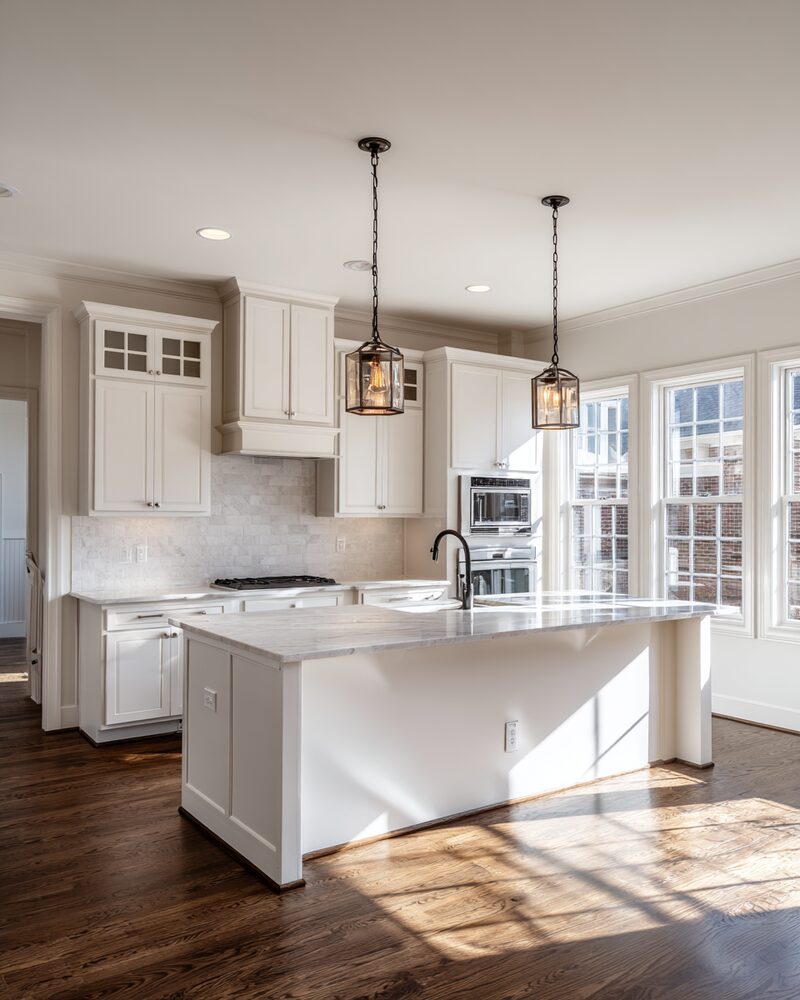
Consider the condition and long term appeal of the home. In many Gwinnett neighborhoods, functional updates to kitchens and bathrooms, smart storage solutions, and clear outdoor spaces bring strong returns. For investment properties, calculate cash flow under conservative rent and occupancy assumptions and factor in local landlord regulations and HOA rules that affect rental use.
Neighborhood nuance matters. A subdivision adjacent to a new retail center or improved parkland can see faster appreciation. Conversely, homes
