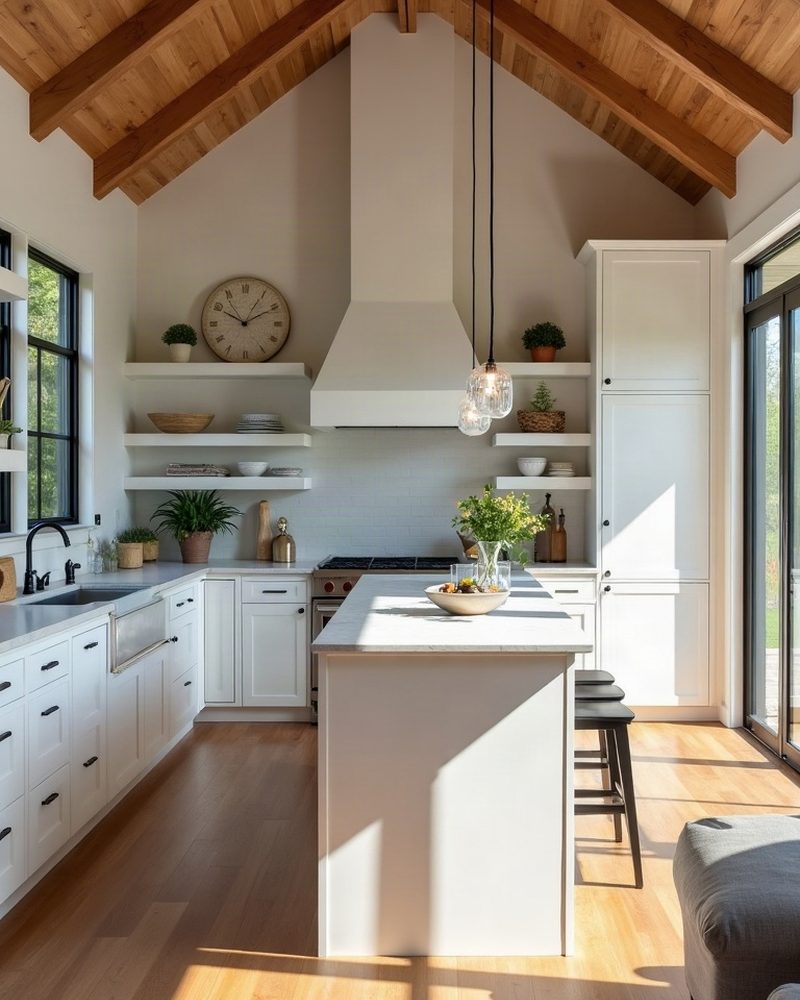
Gwinnett County continues to attract buyers and investors because of strong schools, expanding job access, and a wide variety of neighborhoods from Lawrenceville to Suwanee to Snellville. Whether you are planning to buy your first home, move up, downsize, or sell an investment property, the principles that help you win in Gwinnett combine local insight, realistic pricing, and timing that respects neighborhood cycles. This post lays out practical, search-friendly guidance that will stay useful for years and helps both buyers and sellers make smarter decisions in Gwinnett County real estate.
Start with neighborhood-level research not county-level assumptions. Gwinnett is a collection of distinct micro-markets: Duluth condominiums near amenity corridors price differently than a ranch in Dacula or a renovated craftsman in Lawrenceville. Look at recent sold prices, days on market, and active inventory in the specific subdivision or school cluster you care about. Tools that track neighborhood trends will surface patterns that broader county metrics hide, and they help you focus on opportunities that match your lifestyle and financial goals.
For buyers: get mortgage readiness in place before writing offers. Pre-approval from a lender who understands Gwinnett loans streamlines offers and reduces surprises at underwriting. Competitive offers often hinge on clean timelines, reasonable inspection windows, and strong earnest money. If you can be flexible on closing dates or willing to cover some minor inspection repairs yourself, you often outcompete similar offers without overpaying. Prioritize neighborhoods with the best combination of commute, schools, and long-term resale prospects to keep options open.
For sellers: realistic pricing wins attention and reduces days on market. In many Gwinnett neighborhoods, staged, well-priced homes attract multiple qualified buyers quickly. Invest in high-impact, cost-effective updates—fresh paint, decluttering, curb appeal, and minor kitchen or bath refreshes—to maximize visual appeal. Provide a clear disclosure package and recent utility or HOA information to build buyer confidence. Timing your listing to coincide with strong buyer demand in your specific micro-market often yields better offers than waiting for a vague seasonal high point.
Understand how school assignments and commuting corridors influence buyer demand. Proximity to top-performing schools, major employment corridors, and transit connections creates durable demand and supports resale values. Even small changes to school lines or new road projects can shift buyer interest between adjacent neighborhoods, so keep an eye on local planning meetings and Gwinnett County Board of Education updates if your timing depends on small value differences.
Capitalize on long-term value drivers not short-lived trends. Energy-efficient upgrades, functional floor plans, and outdoor living spaces tend to keep their appeal across cycles. Buyers are increasingly valuing flexible home office space and reliable internet connectivity. When preparing a home to sell, highlight features that align with enduring buyer priorities: robust storage, easy maintenance yards, and proximity to parks, retail, and healthcare.
Use data to set strategy for offers and counters. Compare similar solds from the last 60 to 90 days, adjust for condition and lot differences, and be mindful of the difference between list price and final sale price in your neighborhood. For sellers, monitor the price sensitivity of buyers—if similar homes are selling above asking, a modestly aggressive list price can accelerate sale and attract stronger terms. For buyers, look for patterns in concessions and inspection outcomes; some neighborhoods see consistent repair requests while others close with minimal contingencies.
Protect your transaction with clear contracts and experienced local representation. Gwinnett closings can be delayed by title issues, HOA documentation, or local permitting hiccups. Working with a team who has handled many Gwinnett contracts reduces those risks. If you want an up-to-the-minute list of comparable sales or help choosing a negotiation strategy tailored to a specific Gwinnett neighborhood, reach out to The Rains Team at 404-620-4571 or visit
homesforsaleingwinnett.com for listings and local market insight.
Plan for next steps after closing. Buyers should budget for immediate maintenance items and familiarize themselves with neighborhood services and schools. Sellers should keep records of improvements and receipts for tax purposes and future buyers. Both sides increase long-term satisfaction by thinking beyond the contract: community involvement and knowledge of local zoning and redevelopment plans often pay dividends in home value over time.
Gwinnett County real estate succeeds when decisions are local, data-driven, and paced to your life goals. If you want tailored advice for a Gwinnett neighborhood, a current market analysis, or to see properties that match your exact criteria, contact The Rains Team at 404-620-4571 or explore current listings at
homesforsaleing
