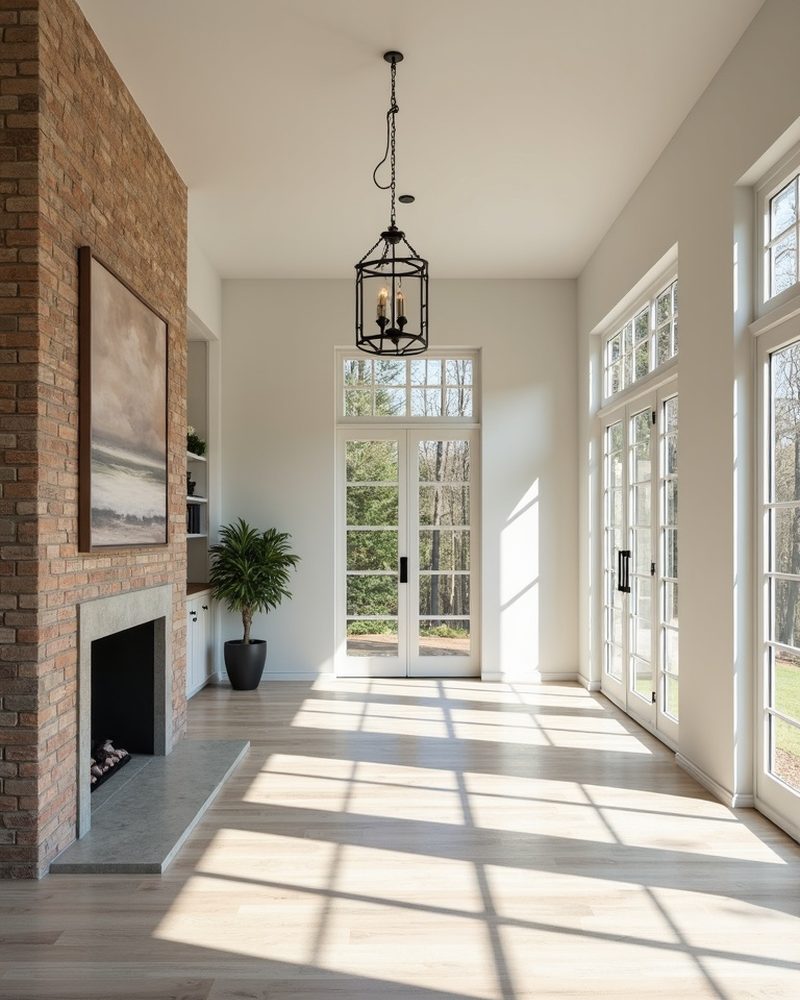
Today Gwinnett County real estate rewards people who pair local knowledge with practical action. Whether you are buying your first home in Suwanee or selling a long time property in Lawrenceville, understanding how Gwinnett's neighborhoods, schools, transit corridors, and inspection realities influence price and demand will help you make smarter decisions that stand the test of time.
Start with a clear picture of supply and demand in the exact neighborhood you care about rather than relying on county level headlines. Look at current listings, recent sales, average days on market, and price per square foot for comparable homes within a mile or two. These micro level signals tell you whether to expect a buyer driven market or a seller driven market, and they drive offer strategy and pricing for both buyers and sellers.
For buyers: get financed first and research beyond photos. A mortgage preapproval gives you negotiating strength and speeds closing. Walk the block at different times of day, check school zones for Gwinnett County Public Schools, confirm HOA rules and fees, and ask about flood maps and septic vs sewer service. Consider commute time along I 85, I 985, and GA 316 as well as proximity to hubs like Duluth, Peachtree Corners, and Buford. When you write an offer, use a recent comparable and be ready to explain your valuation with data instead of emotion.
For sellers: price to attract the right buyers fast. Buyers in Gwinnett often compare several nearby towns, so competitive pricing plus compelling marketing matters. Invest in high impact updates such as fresh interior paint in neutral tones, professional photos, basic landscaping, and deep cleaning. Small kitchen and bathroom refreshes can pay back well in many Gwinnett neighborhoods; avoid overpersonalized renovations that only appeal to a narrow buyer pool. Consider offering a flexible showing schedule and provide a concise fact sheet that highlights schools, commute times, recent system updates, and local amenities.
Know the local costs that affect value. Property taxes, homeowner association fees, and insurance considerations like flood zones can change monthly carrying costs for buyers and therefore affect the buyers who can qualify. Sellers should include accurate utility and tax numbers in listings or the property fact sheet to reduce uncertainty during offers.
Make inspections and disclosure work for you. Buyers should budget for a thorough home inspection and ask for contractors' estimates when requesting repairs. Sellers who complete common items ahead of listing such as fixing leaks, servicing HVAC, and addressing visible roofing or foundation issues usually close faster and face fewer renegotiations.
Match strategy to timing. Spring remains a busy season for many Gwinnett neighborhoods, but local market peaks vary by micro market and price range. If you need to sell and buy simultaneously, plan contingency options, bridge financing, or temporary housing early so you can act when the right opportunity appears.
Marketing and negotiation in Gwinnett are local skills. Use targeted online listing exposure, social media groups focused on Gwinnett towns, and open houses that showcase neighborhood lifestyle. Buyers benefit from agents who can identify upcoming listings before they hit the broader market and who understand local seller priorities. In negotiation, price is only one lever; consider closing timelines, inspection windows, and earnest money as tools to make offers more appealing.
Long term value comes from combining neighborhood selection with smart maintenance. Choose locations near
