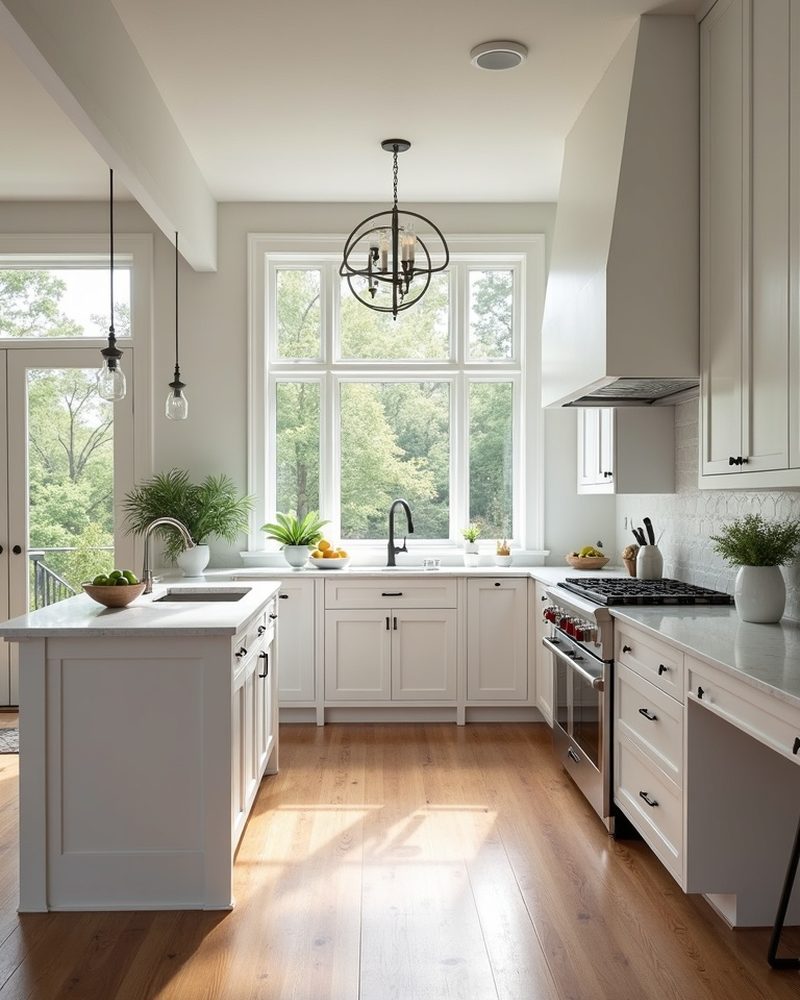
The Gwinnett County real estate market can feel complex, but understanding the local details that buyers and sellers actually care about makes decisions clearer and more profitable. This post breaks down the durable, search-friendly factors that influence home values in Gwinnett and offers practical steps for anyone looking to buy or sell now or in the years ahead.
Why micro details matter more than headlines
National headlines about interest rates and inventory get clicks, but in Gwinnett County the value gap between two similar homes often comes down to micro details: school zones, walkability, yard usability, local zoning changes, and proximity to employment corridors such as Sugarloaf Parkway and I-85. Buyers searching for Gwinnett County homes want to know what daily life will look like, and sellers who highlight those local strengths get faster, stronger offers.
School zones and resale
Schools remain one of the top drivers for buyers with children and for long-term resale. Homes in sought-after zones like Suwanee and Peachtree Corners elementary districts typically command a premium. Whether you plan to use local schools or not, know your propertys assigned schools and how they compare. Buyers should verify boundaries and planned changes. Sellers can increase appeal by creating a packet of nearby school performance data and enrollment figures to include with listings.
Walkability parks and everyday convenience
Sidewalks, nearby parks, trails such as those in Duluth and Norcross, and short drives to grocery and restaurants influence lifestyle decisions and value. A property one block from a greenway will often attract more competitive offers than a similar home with a longer car-only commute to amenities. When marketing a home, emphasize easy places to walk to coffee, markets, and parks. Buyers should prioritize test visits at different times of day to sense actual convenience.=
Commuting corridors and time cost
Gwinnett’s value patterns are shaped by commute time to major job centers. Proximity to I-85, GA 316 and I-285 matters differently depending on whether you work in downtown Atlanta, Buckhead, or in local business parks. Consider drive times during peak hours and available alternatives like commuter lots or express lanes. For many buyers, a consistent 30 minute commute versus an unpredictable 60 minute commute is worth several thousand dollars in purchase price.
Maintenance and small improvements that pay
Not every improvement yields equal return. In Gwinnett, projects that improve curb appeal and basic systems typically provide the best return on investment. Prioritize: fresh exterior paint or power washing, landscaping to create instant curb appeal, updated kitchen hardware and lighting, and ensuring HVAC and roof are in good condition. Sellers who focus on visible reliability often close faster and with fewer inspection objections.
Price setting that reflects local comps not broad trends
Comparable sales matter more than countywide averages. Two homes in different Gwinnett neighborhoods can have very different absorption rates and pricing dynamics. Buyers should study recent solds within a half mile and 90 days. Sellers should adopt pricing strategies based on the most comparable properties and current active inventory. Proper pricing from day one brings more traffic and better offers.
How deed restrictions and HO
